Mastering Concrete Aesthetics: Transformative Designs for Modern Architecture Feb 12, 2026
Concrete's adaptability is one of its most compelling features. It can be molded into any shape, which gives architects the creative freedom to experiment with innovative forms and structures. This flexibility is crucial in modern architecture, where the push towards more futuristic and unconventional forms of construction thrives. Concrete's capacity to imitate other materials also makes it an attractive option, enabling the blending of textures within a structure without sacrificing uniformity or structural integrity.
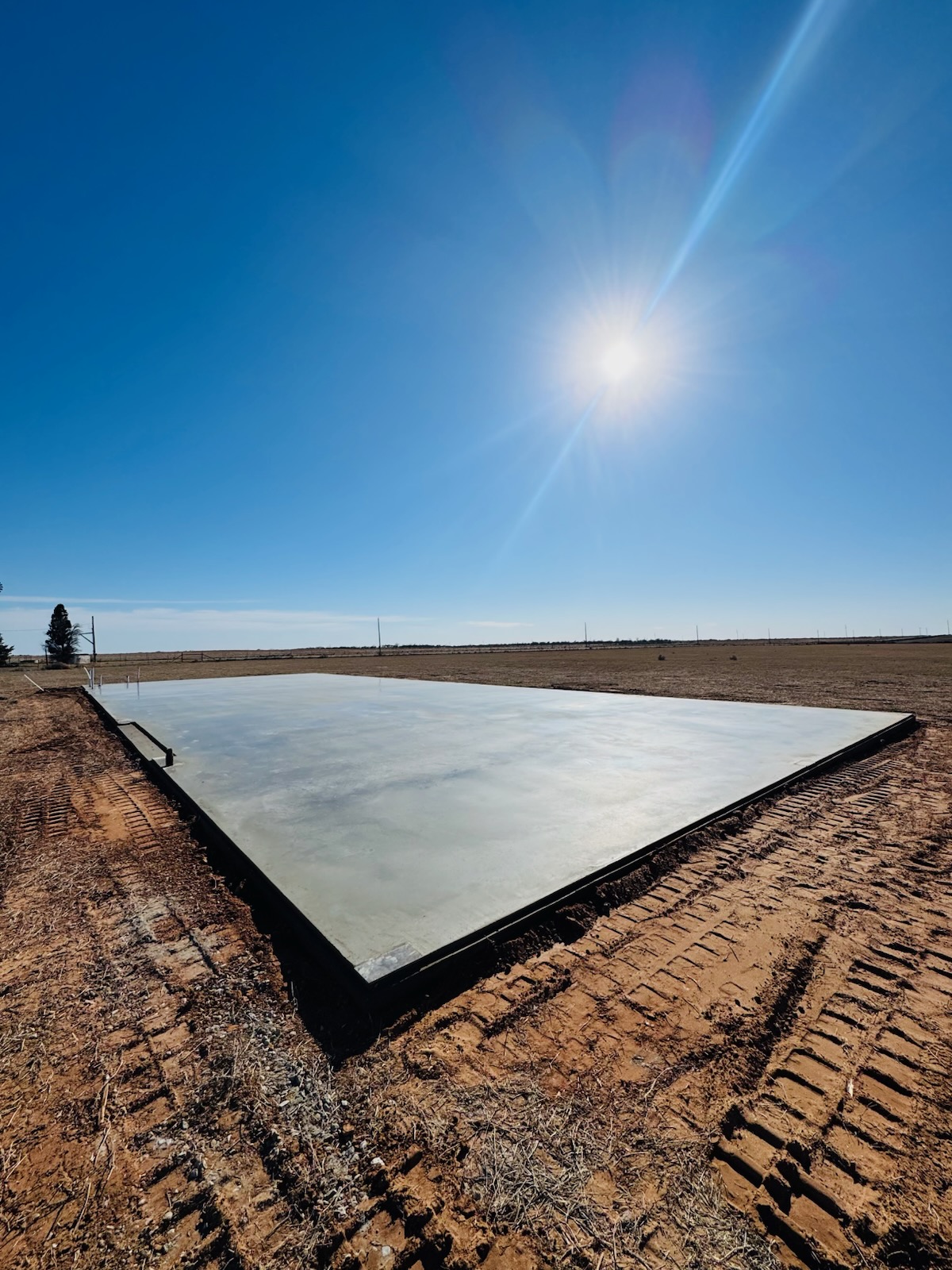
Moreover, the variety of finishes available with concrete expands its aesthetic potential. From smooth polished surfaces to rough, textured appearances, these finishes can be tailored to reflect the unique vision and mission of a project. At Concept Construction, we emphasize the importance of choosing the right finish to enhance the visual appeal of any structure while ensuring that it aligns with the intended functional use of the space. For example, a matte finish might be ideal for exterior facades to help diffuse light and reduce glare, while a polished finish could enhance the sleek, modern look of an interior space.
Color is yet another dimension where concrete showcases its versatility. Through the use of pigmentation and staining techniques, concrete can be infused with an array of colors to match or contrast with other design elements. Whether aiming for a natural, earth-toned appearance or a bold, vibrant statement, the range of possibilities is vast. These colorations are not merely superficial; they penetrate the concrete, ensuring durability against wear and environmental factors.
Beyond aesthetics, the functionality of concrete in modern construction should not be underestimated. As energy efficiency becomes increasingly important, concrete’s thermal mass can be a critical factor in maintaining optimal indoor climates. This property helps to absorb, store, and gradually release heat, reducing the need for artificial heating and cooling solutions, which can be a considerable advantage in sustainable building practices.
The integration of concrete with other materials also brings about transformative design opportunities. Concrete paired with glass, wood, or steel creates a dynamic contrast, enhancing the perception of spaces and structures. This material synergy is something Concept Construction excels at—advising clients on the best combinations to realize stunning and pragmatic architecture.
To truly master the aesthetics of concrete in modern architecture, one must see beyond its traditional uses and embrace its potential as a design element. This involves not only understanding the technical aspects but also nurturing an aesthetic sensibility that appreciates how concrete can breathe life into a structure. At Concept Construction, our commitment is to harness this potential, providing solutions that push the boundaries of architectural design while maintaining robust, sustainable construction practices.
As we conclude, it's clear that concrete's role in modern architecture is not just as a building block but as an artist's medium. Its versatility in form, finish, and function makes it indispensable for anyone looking to leave a lasting impression in the world of architecture. Whether you aim for a subtle enhancement or a dramatic transformation, concrete is a key player in turning architectural dreams into reality.
/filters:no_upscale()/filters:format(webp)/media/d35aac79-8244-4090-92e0-ef0bc4ef1ea8.jpeg)
/filters:no_upscale()/filters:format(webp)/media/2e1e59d9-9f89-4005-ba37-b31ca1b94705.jpg)