Maximizing Durability: Best Practices in Concrete Construction Jan 15, 2026
Concrete construction begins long before the first batch is poured. It starts with meticulous planning and design, which involve selecting the right materials, understanding the environmental conditions, and mapping out the project scope in detail. Choosing high-quality concrete mixes tailored to the specific demands of your project is essential. Whether it’s for a residential driveway or a commercial foundation, the right mix will provide the necessary strength and workability to withstand various stresses over time.
Proper reinforcement is another cornerstone of durable concrete construction. Reinforcing concrete with steel bars, fibers, or mesh helps to absorb tensile stresses and prevent cracking. It’s crucial to consider the placement, size, and type of reinforcement to ensure an even distribution of support throughout the structure. Reinforcement not only enhances strength but also improves resistance to external forces such as seismic activities.
The environment plays a significant role in determining the best practices for concrete construction. For areas prone to freeze-thaw cycles, using air-entrained concrete can enhance durability by allowing for expansion and contraction within the structure. In coastal or industrial regions where chemicals or salt may be present, selecting concrete with chemical-resistant properties or applying protective sealants can prevent premature deterioration.
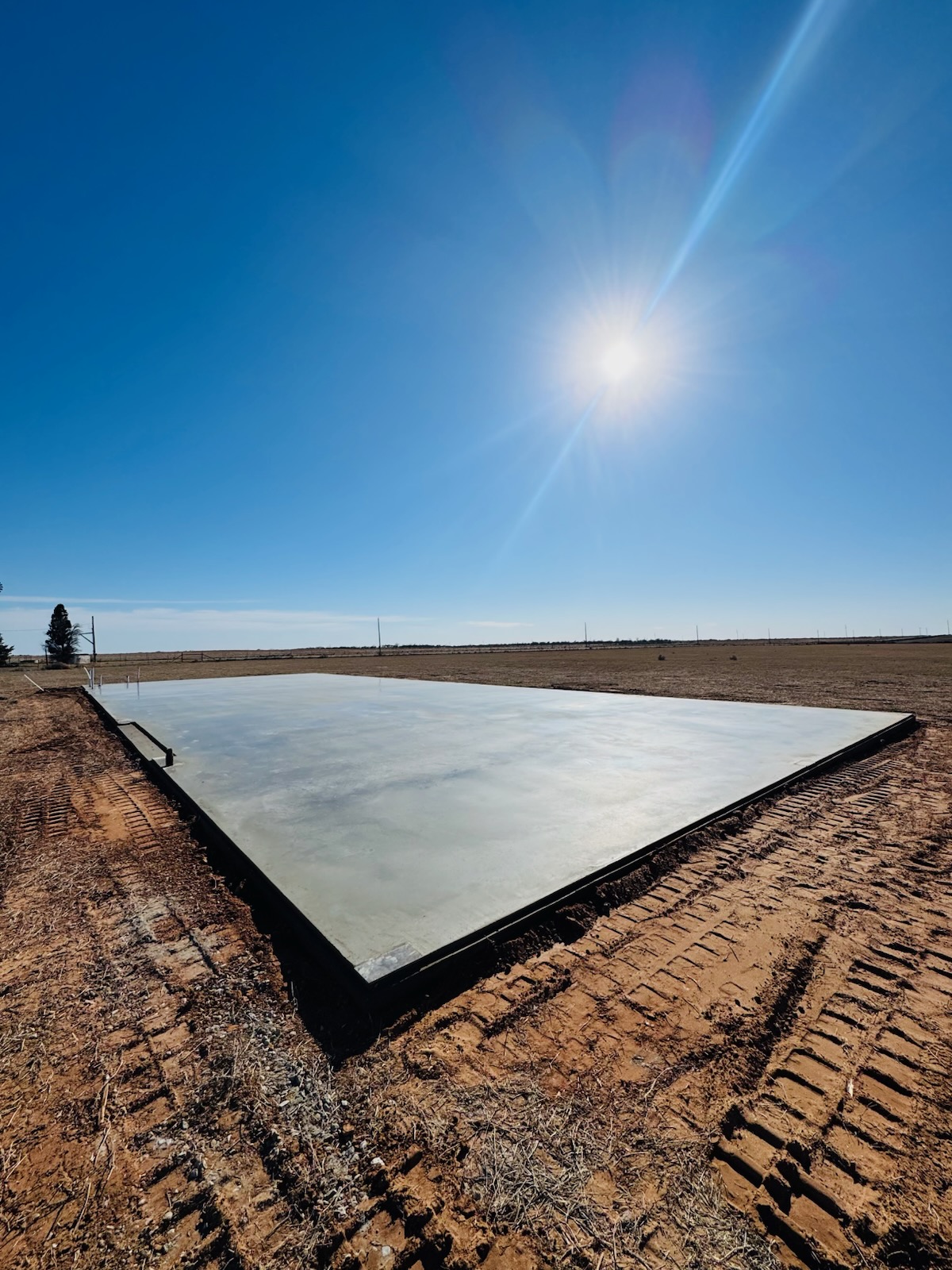
Executing the pour with precision is the next critical step. This involves ensuring that the concrete is mixed, transported, and placed efficiently. Timing is vital; concrete must be poured and finished within a specific window to avoid issues like cold joints or segregation. Skilled workmanship during the pouring process contributes significantly to the final outcome, as does careful attention to finishing techniques like smoothing or texturing the surface.
Curing is often underestimated but plays an integral role in concrete’s durability. Proper curing maintains moisture in the concrete as it sets, which is critical for achieving optimal strength and hardness. Depending on the ambient conditions, this might involve covering the concrete with mats or using water-curing techniques to keep the surface damp for a certain period. A well-cured concrete structure is less susceptible to surface cracking and other forms of early deterioration.
Regular maintenance and inspections act as the final safeguard in maximizing the lifespan of concrete structures. Routine checks can identify early signs of wear and tear, allowing for timely interventions. Implementing preventive measures, such as resealing surfaces and repairing minor cracks, can prevent more substantial damage and prolong the structure's service life.
In conclusion, the best practices in concrete construction, from material selection to maintenance, are vital for achieving durability and performance. At Concept Construction, our commitment is to deliver projects that not only meet but exceed industry standards, ensuring that your structures remain strong and reliable for years to come. By embracing these techniques, you can rest assured that your concrete investments are built to last, providing peace of mind and value.
/filters:no_upscale()/filters:format(webp)/media/d35aac79-8244-4090-92e0-ef0bc4ef1ea8.jpeg)
/filters:no_upscale()/filters:format(webp)/media/2e1e59d9-9f89-4005-ba37-b31ca1b94705.jpg)